
Aviator strategy starts with understanding that every round can end fast, slowly, or without a useful cashout window. At PEGASUSPH, the crash format asks members to choose stake size, enter a round, and cash out before the flight stops. This guide helps members and players read rules, choice points, and session aims with care.
How Aviator strategy covers simple crash rounds
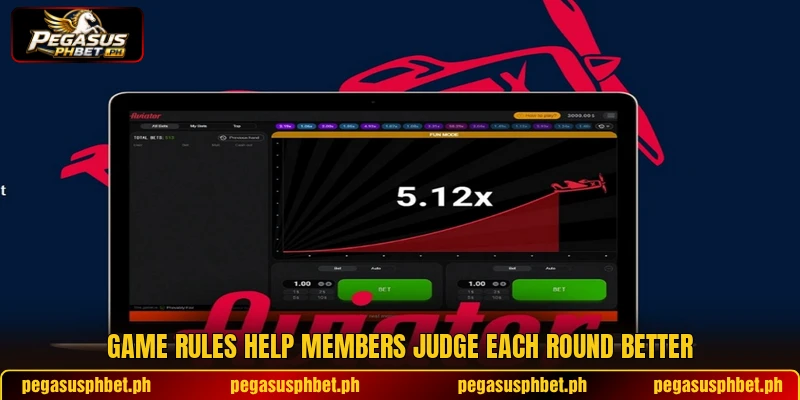
A crash round begins when the plane rises and the multiplier starts moving upward. Players place a stake before takeoff, then decide whether to leave before the stop. PEGASUSPH presents this flow with fast rounds, simple controls, and visible multipliers.
The main idea behind Aviator strategy is not guessing one perfect number every time. Members look at pace, recent movement, and personal entry patterns before joining. Each choice should match the round speed, cashout plan, and available balance.
Crash games can feel quick because results appear within a short window. A clear plan helps members avoid clicking only because the plane rises higher. Good notes should explain entries, exits, and missed chances without turning them into promises.

Rules and round progression members should understand
Every crash session follows a simple pattern, yet small details can change decisions. Aviator strategy becomes clearer when members know what happens before, during, and after takeoff.
Reading the rising multiplier
The multiplier begins low and climbs while the plane remains active. Players can cash out during this climb when the button is available. Once the round crashes, open bets lose and the next cycle begins.
Recent results may appear beside the main round screen. These numbers show history, not a fixed route for the next flight. Members should treat them as context rather than a direct signal.
A lower exit point can finish faster, while a higher target needs more time. The screen rewards fast decisions because delays may close the cashout window. Simple observation builds better timing than sudden changes during a round.
Using Aviator strategy throughout cashouts
A cashout plan should exist before the multiplier begins rising. Aviator strategy works best when members pick a target before placing a stake. Changing that target midflight can make the final click late.
Some players choose one early exit and repeat it across several rounds. Others set two entries, using different exits when the interface allows it. Both styles need clear attention to the active button.
Missed exits happen when members wait for one more small increase. That moment can be costly because the crash may arrive instantly. A planned click point gives each round a cleaner ending.
Setting clear entry patterns
Entry patterns help members decide when to join and when to pass. A pattern can involve waiting after several very short rounds. It can also mean skipping unclear screens or unstable internet moments.
No pattern can make the next result certain in a crash game. Still, repeated habits make choices easier to review later. Players can compare planned entries against actual exits after sessions.
A steady pattern also reduces random stake jumps between nearby rounds. Members can keep the same entry method while testing different exit levels. This keeps the session readable and easier to measure.
Avoiding rushed bet changes
Rushed changes often happen after a round crashes earlier than expected. A member may raise the next stake quickly to answer that result. This reaction usually adds pressure without improving the following decision.
Aviator strategy should keep each round separate from the last one. The previous crash is already settled, while the new multiplier has its own outcome. Calm timing comes from structure, not from chasing a past screen.
Players should check stake fields before the round starts. They should also confirm that auto settings match the intended exit. Small screen checks can prevent accidental entries or wrong cashout levels.
Cashout choices and room picks tips that matter
Room choice affects comfort, speed, and how easy each button feels. Aviator strategy also depends on reading the interface before money enters a round.
Choosing boards with steady traffic
A busy room can show frequent activity and fast visible results. Members may feel more informed when recent multipliers update without delay. Still, traffic never changes the real crash point.
A quiet room may feel slower and easier to read. Players can watch controls, history panels, and cashout timing without distraction. This can help during early sessions or device testing.
Room selection should support visibility, connection quality, and simple screen use. Members should avoid rooms that lag, freeze, or hide important controls. A clean interface makes every click more accurate.
Checking demo rounds first
Demo play lets members study the round flow without using PHP or USD. It shows takeoff timing, cashout behavior, and result history in a safer setting. This stage is useful before joining paid rounds.
Aviator strategy can be tested through demo notes and repeated targets. Players can compare early exits, mid exits, and longer waits. The goal is learning screen rhythm, not proving a winning formula.
Demo rounds also show whether a phone or browser responds quickly. A slow device can turn a correct plan into a missed cashout. Testing first helps members spot those limits before real stakes.
Tracking results following sessions
Result tracking gives members a simple record of what actually happened. Notes can include entry point, exit target, stake amount, and final result. This makes later review clearer than memory alone.
Aviator strategy becomes easier to adjust when records show repeated issues. Players may notice late clicks, unclear targets, or entries made during weak connection. These details guide changes better than feelings after one crash.
A short record is enough when it stays consistent. Members can write five lines after a session and still see patterns. The best record uses plain numbers, not long explanations.

Conclusion
Aviator strategy gives members a clear way to view crash rounds, cashout timing, and entry choices. The topic stays focused on round behavior while PEGASUSPH provides a familiar place to read the game screen. Register, download the app, test the game carefully, and good luck with every round.
